
Skip to content

COP31 · A material story

From grain
to change

A 12,000-year journey from Anatolia to the present

The story of the product in your hand begins with an ancient grain and continues with a new material made with 60% starch-based content.

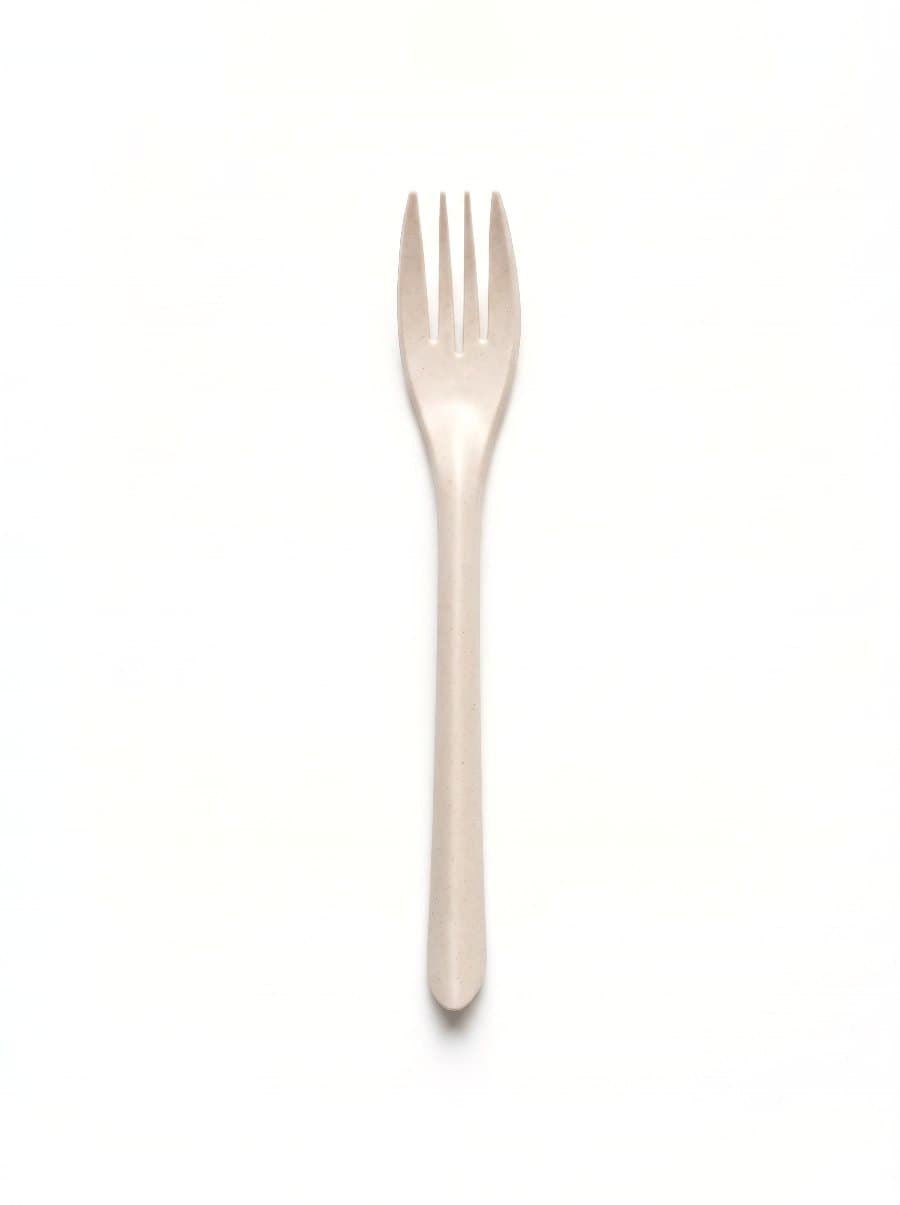
Fork made with 60% starch-based content
60%

Starch-based content
across all five products

Fork, spoon, knife, straw and tray: five familiar everyday products made with the same 60% starch-based content.

60% starch-based contentRemaining components

Five everyday products, one material approach

Fork, spoon, knife, straw and tray

Five familiar everyday products made with the same 60% starch-based content.

Bio-Fork
01 / 05Bio-Fork
0160% Starch-Based Content

Bio-Fork

A familiar food-service product designed to provide the structure and performance expected during everyday use.

  • Reusable
  • Recyclable*
  • Dishwasher Safe
0260% Starch-Based Content

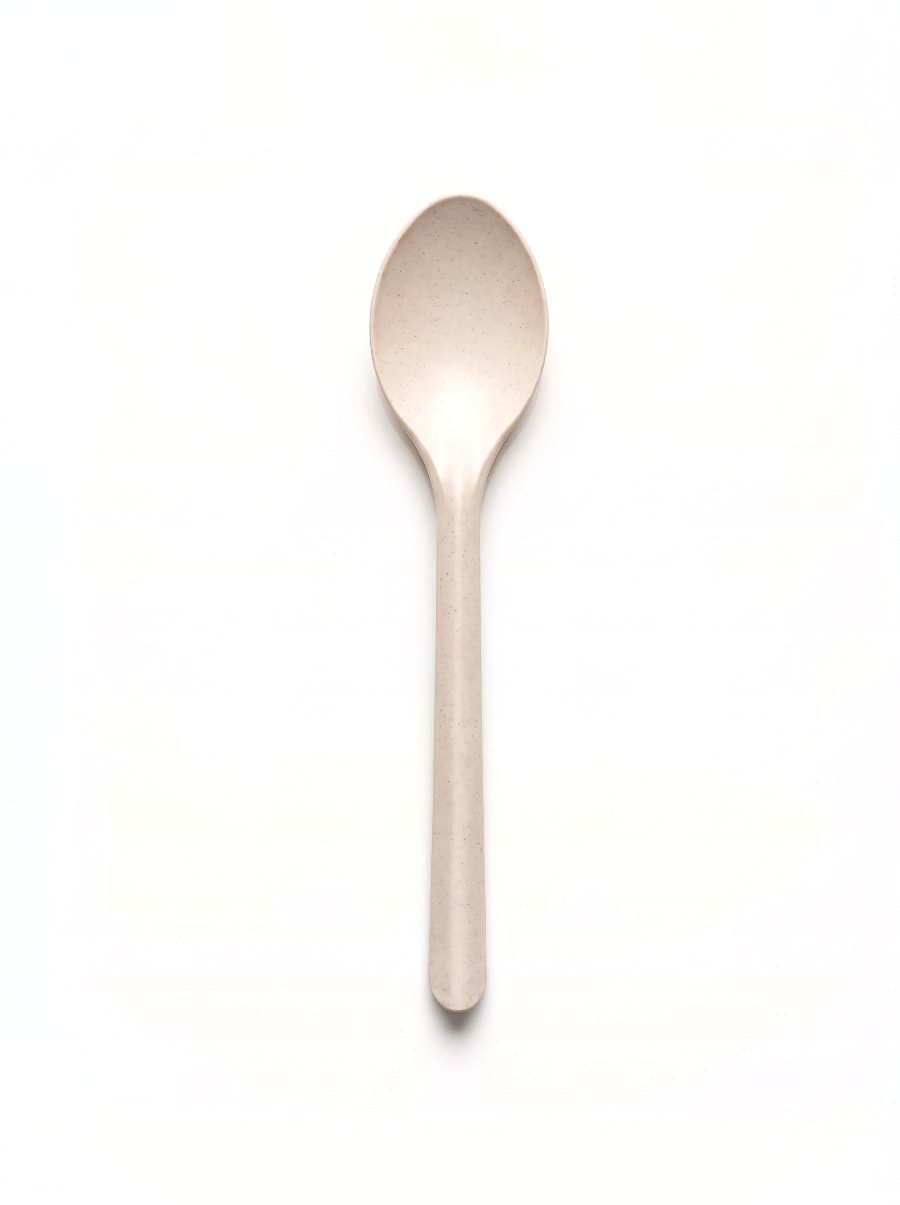
Bio-Spoon

A smooth and durable food-service spoon made using the same starch-based material approach.

  • Reusable
  • Recyclable*
  • Dishwasher Safe
0360% Starch-Based Content

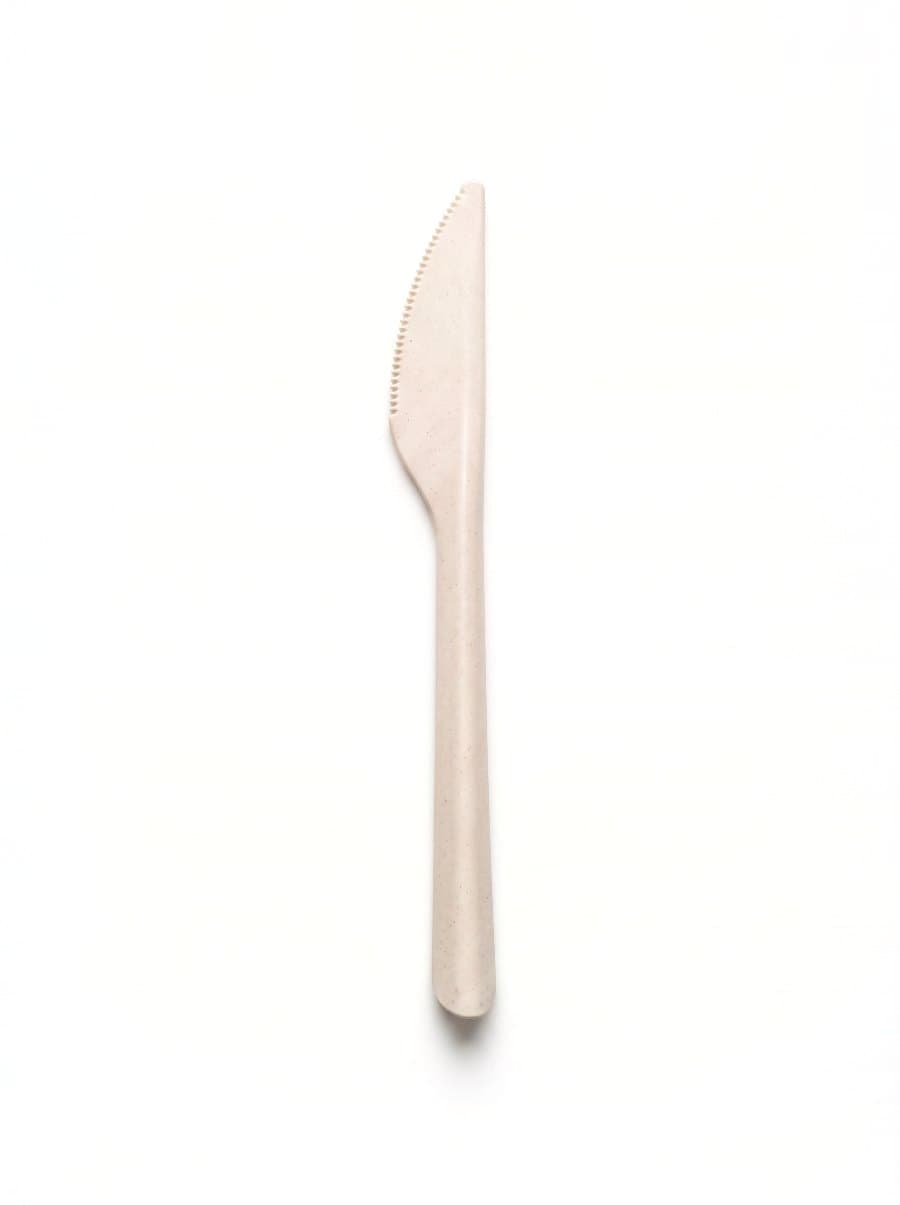
Bio-Knife

Designed to retain the practical form and durability expected from modern food-service products.

  • Reusable
  • Recyclable*
  • Dishwasher Safe
0460% Starch-Based Content

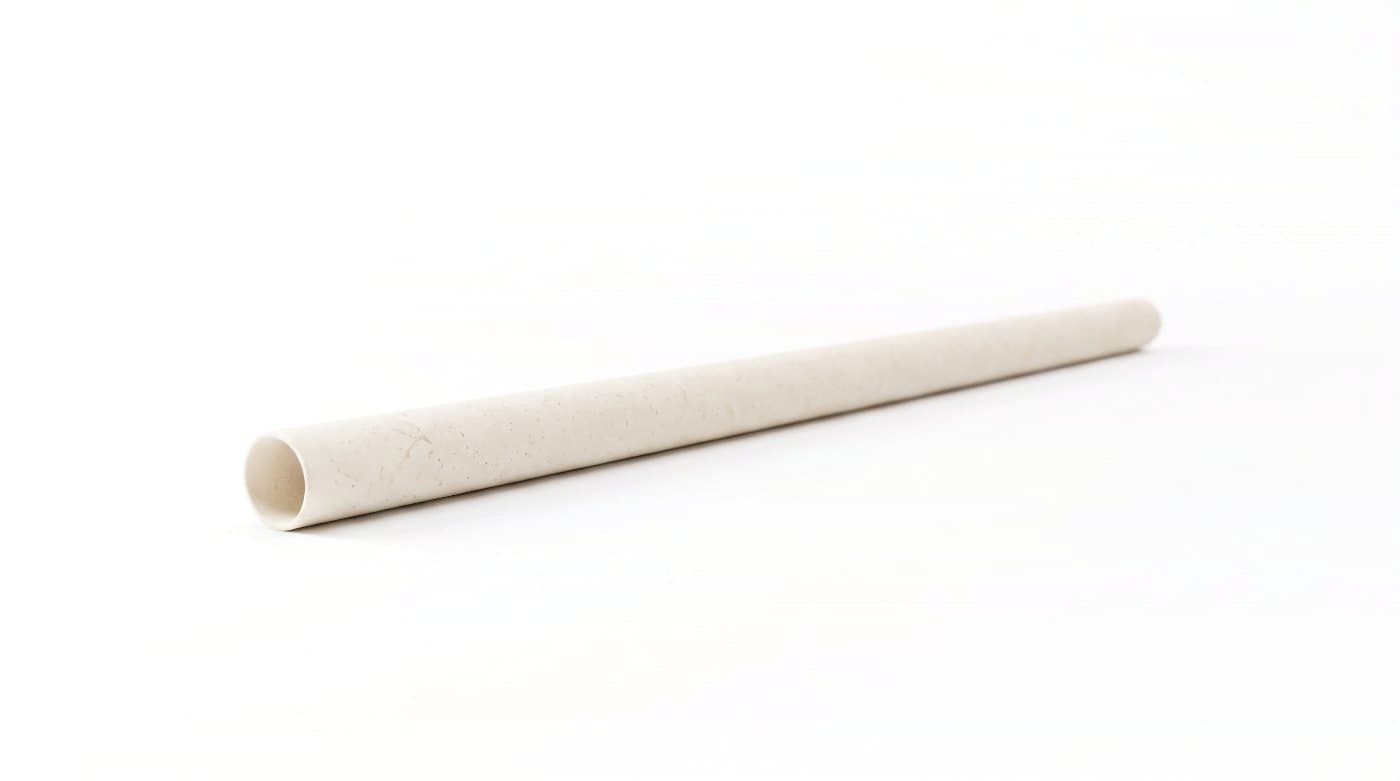
Bio-Straw

A straight and durable drinking straw designed to retain its shape during extended contact with cold beverages.

  • Recyclable*
0560% Starch-Based Content

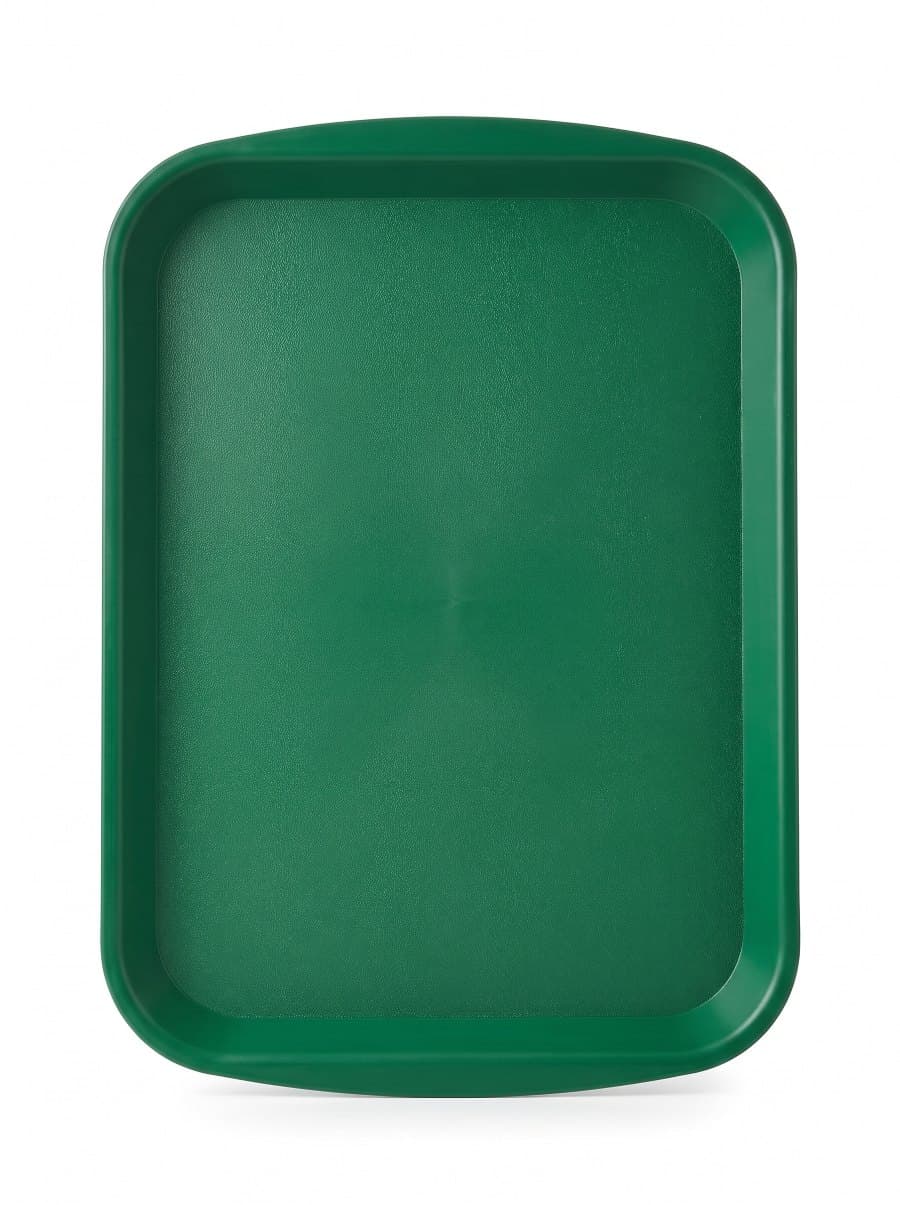
Bio-Tray

A sturdy and durable food-service tray designed to provide reliable support and performance during everyday use.

  • Reusable
  • Recyclable*
  • Dishwasher Safe

*Recyclability depends on local collection, sorting and compatible recycling infrastructure. Please follow the collection guidance provided at the COP31 venue.

12,000 years of grain, a new chapter

This is a story of grain, culture and a principle passed down through generations: use what you have, waste as little as possible and find a new purpose for what remains.

0112,000 years ago

Before industry, there was care and attention.

Early communities across Anatolia and Upper Mesopotamia developed a strong relationship with grain and the resources around them.

Göbeklitepe remains one of the most powerful symbols of this transformative period in human history.

02Across generations

Grain became food, food became culture.

Across generations, grain was cultivated, milled, shared and transformed into one of the foundations of everyday life.

Value emerged through care, knowledge and the thoughtful use of available resources.

03A principle

Use what you have, waste as little as possible.

A principle familiar across Anatolia is to look again at what remains: to repair, reuse, transform and give it a new purpose whenever possible.

What remains can still hold value.

04Today's food production

Modern food production creates side streams.

Industrial food production generates starch-rich side streams, including off-spec or surplus bread and pasta, as well as flour-based production residues.

These materials are industrial production by-products, not household or post-consumer food waste.

Although they can no longer serve their original intended purpose, their material value does not have to end there.

A side stream is not the end of the story.

05A new material

An ancient principle meets a new material.

Through patented bioplastic technology, starch-rich side streams from industrial food production are recovered and given a new purpose.

Through this process, they become part of a new material formulation containing 60% starch-based content.

The resulting formulation reduces the proportion of conventional fossil-based plastic required while retaining the functionality expected from a food-service product.

From an industrial food-production side stream to a material with a new purpose.

06Today

Today, you are holding the next chapter.

From one of humanity’s oldest agricultural resources to a new generation of materials, this story continues at the COP31 table in front of you.

What exactly is this material?

A clear and precise shift

The fork, spoon, knife, straw and tray shown on this page are made from a material formulation containing 60% starch-based content sourced from starch-rich side streams generated by industrial food production.

These side streams include off-spec or surplus bread and pasta, as well as flour-based production residues. They are industrial production by-products, not household or post-consumer food waste.

The remaining components provide the structure, durability and functional performance required from the finished food-service products.

Starch-based content
60%
From starch-rich side streams of industrial food production: off-spec or surplus bread and pasta, flour-based production residues.
Remaining components
40%
Structure, durability and functional performance for the finished product.

60% starch-based content, across the fork, spoon, knife, straw and tray.

Questions

Clear and straightforward answers

01What does “60% starch-based content” mean?

The material formulation used across all five products contains 60% starch-based content.

This does not mean that the finished product is 100% plant-based or completely plastic-free.

02Where does the starch-based content come from?

The starch-based content is sourced from starch-rich side streams generated by industrial food production.

These include off-spec or surplus bread and pasta, as well as flour-based production residues.

They are industrial production by-products, not household or post-consumer food waste.

03How do starch-rich side streams become a new material?

Patented bioplastic technology processes starch-rich side streams from industrial food production and enables their starch-based content to become part of a functional material formulation.

This technology enables 60% starch-based content to be used in the fork, spoon, knife, straw and tray while helping maintain the durability and performance expected from the products.

04What is a bio-based material?

Bio-based describes the biological origin of all or part of a material’s feedstock.

05Are bio-based and biodegradable the same thing?

No.

Bio-based describes where part of a material comes from. Biodegradable describes whether and under what conditions a material can break down.

06Are these products biodegradable?

No biodegradability claim is made for these products.

They should not be left in nature or treated as products that will simply disappear after use.

07Can these products be recycled?

They can be recycled where local collection, sorting and compatible recycling systems accept the material.

08Can these products be reused?

Yes. Their durable design allows them to be washed and reused.

They can be cleaned in a dishwasher and reused, provided appropriate cleaning and hygiene practices are followed.

09Are these products suitable for food contact?

Yes. The products are suitable for food-contact and food-service applications.

10Does the straw become soft?

The straw is water-resistant and designed to retain its shape during extended contact with cold or iced beverages.

It is designed to avoid the softening or sogginess associated with some paper straws during its intended use.

11Does this material help reduce the carbon footprint?

Reducing the proportion of conventional fossil-based plastic in the formulation can help reduce dependence on virgin fossil resources.

The product’s actual climate impact depends on its complete life cycle, including raw materials, production, transportation, use, reuse and end of life.

12Does this technology completely replace plastic?

No. Patented bioplastic technology enables starch-based content recovered from industrial food-production side streams to be combined with plastic, reducing the proportion of conventional fossil-based plastic in the finished product.

This approach helps reduce reliance on conventional fossil-based plastic while maintaining the product’s functional performance.

13What can I do with the product after use?

Where suitable recycling infrastructure is available, you can place the product in the designated recycling stream.

Alternatively, you can take it with you, wash it in a dishwasher and use it again. Please follow the collection guidance provided at the COP31 venue.

The future of materials

The future of materials begins with how we see resources

What remains can still hold value.

Observe.Question.Use thoughtfully.

Follow the collection guidance provided at the venue.