In this article
For manufacturers who sell into Europe, climate policy has moved from reports to requirements. The European Green Deal set the goal of a climate-neutral EU by 2050, and the rules that follow from it now reach product design, packaging and imports.
Single-use plastics are already restricted
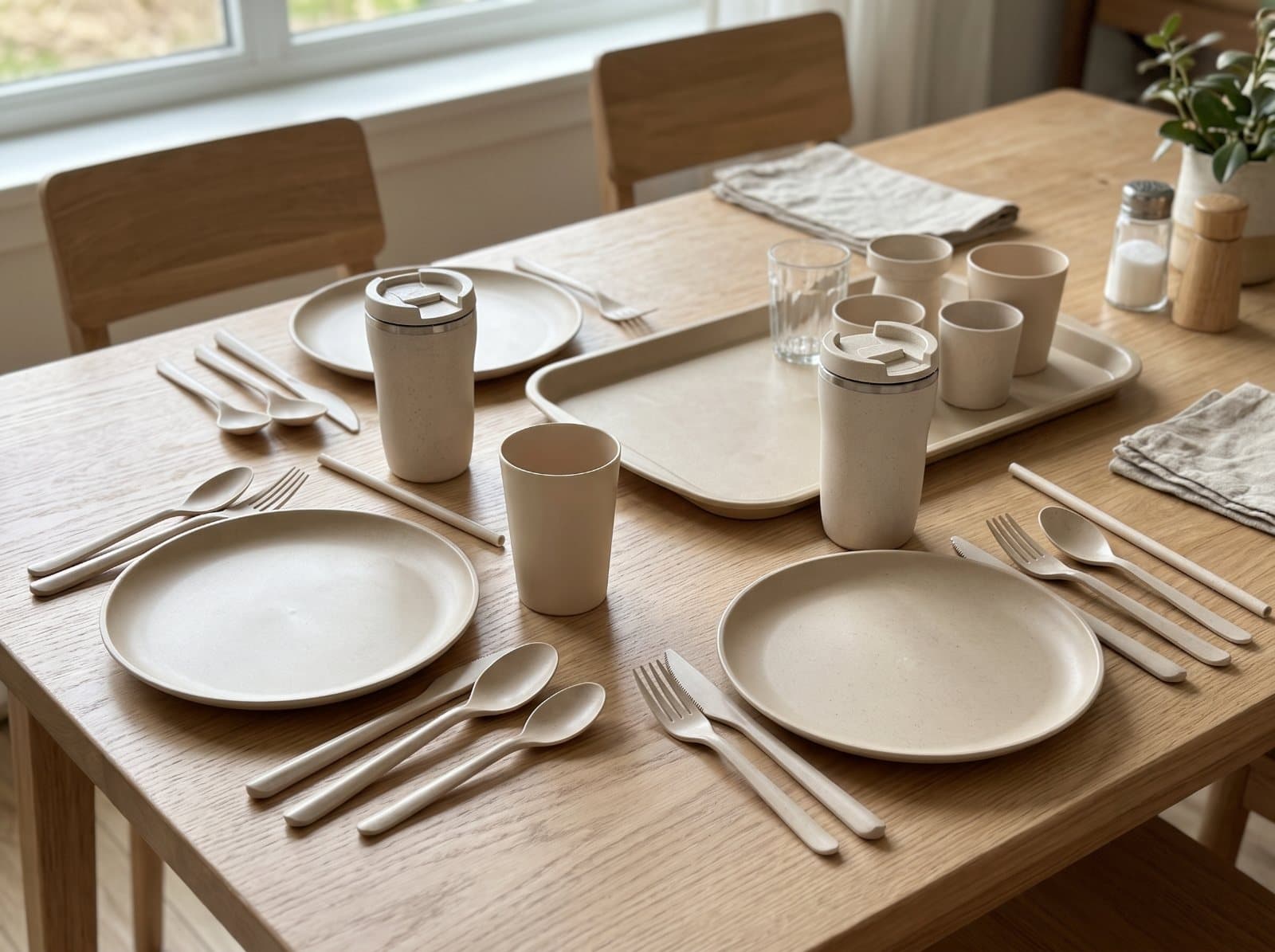
Since July 2021 the EU Single-Use Plastics Directive has banned several single-use plastic items from the market, among them cutlery, plates and straws. Foodservice buyers across Europe have been looking for durable, reusable alternatives ever since.
Carbon now has a border
The Carbon Border Adjustment Mechanism puts a price on the embedded emissions of certain imported goods, starting with carbon-intensive sectors such as cement, iron and steel, aluminium, fertilisers, electricity and hydrogen. Even where a product falls outside its scope today, European customers increasingly ask suppliers for emissions data and a credible reduction plan.
What manufacturers can do now
- Measure: know the footprint of your materials, processes and transport.
- Redesign: choose products built for many uses rather than one.
- Rethink materials: reduce the share of virgin fossil-based inputs where performance allows.
- Document: keep certifications and data ready for customers and auditors.
Where Plastic Move fits
Our reusable foodservice products combine 60% bio-based content from industrial food-production side streams with a durable design that is washed and used again. Their real climate impact depends on the full life cycle, and reuse is where the biggest gains are made.